

Knowledge of wood pellet machines
Ⅰ. Definition
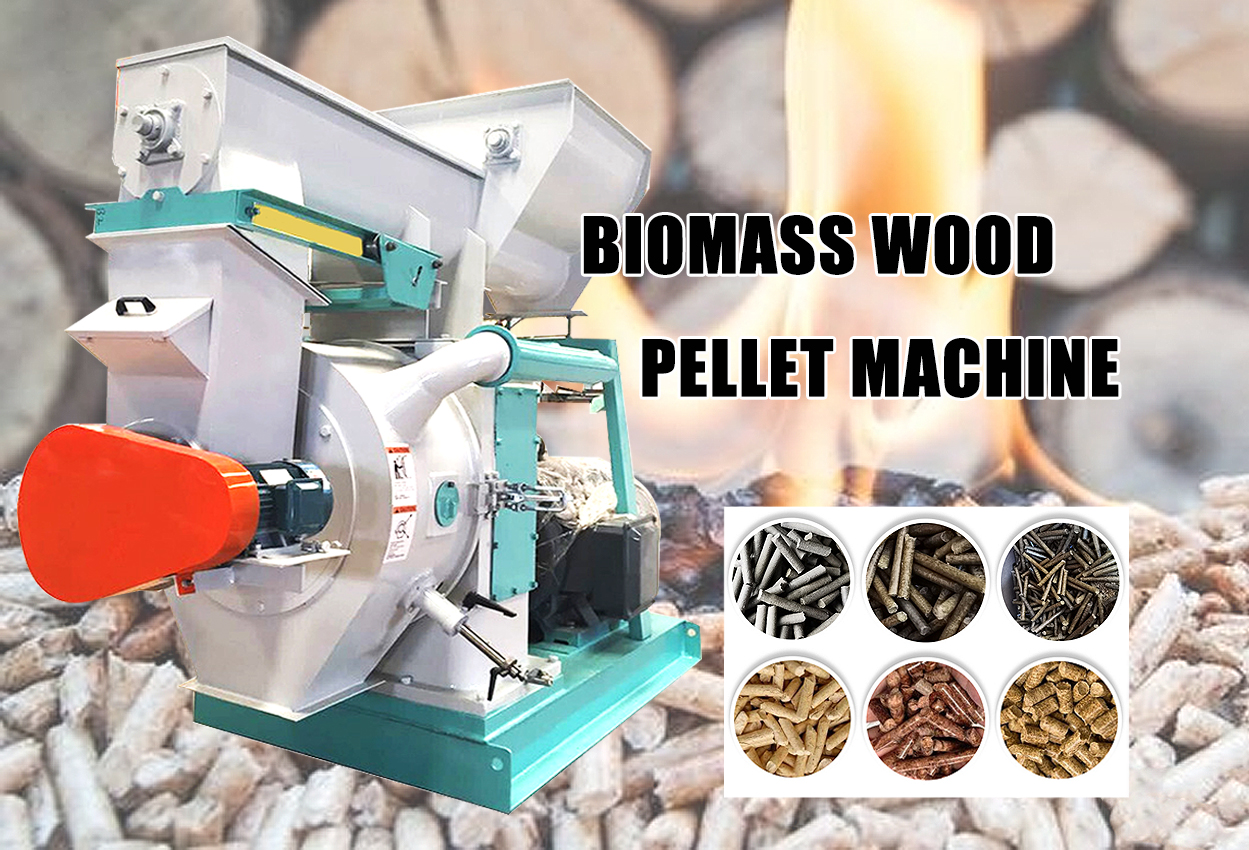
A wood pellet mill, also known as a biomass pellet mill or wood pellet machine, is a molding device that extrudes crushed wood biomass materials (such as wood chips, sawdust, shavings, branches, etc.) under high pressure into high-density, regularly shaped cylindrical pellets. The finished product is wood pellets, a clean and renewable solid fuel.
Ⅱ. Working Principle (Ring Die Extrusion Molding)
Most modern wood pellet mills use the ring die extrusion molding principle. The core process is as follows:
1. Feeding and Conditioning: Pre-treated raw materials (moisture content typically controlled at 12%-18%) are fed into the pellet mill's feed hopper. Sometimes steam or water is added for conditioning to increase the plasticity and lubricity of the raw materials.
2. Press Roller and Ring Die Extrusion: The raw materials are distributed between a rotating ring die (a steel mold with multiple rows of cylindrical through holes) and internal pressure rollers. The pressure rollers are not powered and rotate passively due to friction with the ring die. Under the immense pressure of the pressure rollers, the raw material is forcibly squeezed into the die holes of the ring die.
3. Forming and Cutting: As the raw material passes through the narrow die holes, it experiences extremely high pressure and temperature (frictional heat, reaching 70-100℃). The lignin softens and acts as a natural binder, tightly binding the fibers. The continuous cylindrical strip extruded from the die holes is cut by an external cutter, forming particles of a specified length (usually 1.5-2.5 times the diameter).
4. Cooling and Screening: The freshly produced particles are hot and soft, requiring cooling and hardening in a cooler, followed by screening to remove fine powder, ultimately yielding the finished particles.
ⅢCore Raw Materials
• Main Raw Materials: Various wood processing residues (wood chips, sawdust, shavings from hardwoods such as pine, oak, and poplar), forestry thinnings, and waste wood.
• Extended Raw Materials: Other agricultural biomass can also be processed, such as rice husks, straw, palm shells, and fruit tree branches, but adjustments to the formula or equipment may be necessary. • Raw Material Requirements:
• Size: Requires processing by a crusher to fine particles ≤5mm.
• Moisture: Requires adjustment to the ideal range of 12%-18% by a dryer.
• Purity: Avoid impurities such as metal and sand to prevent damage to the die.
Ⅳ. How to Choose a Wood Pellet Mill
• Production Scale: Determine the main machine power and model based on hourly or annual production requirements (e.g., 0.5 tons/hour, 1 ton/hour, 3 tons/hour, etc.).
• Raw Material Characteristics: Identify the main raw material types to be processed (wood chips, straw, etc.). The fiber structure and lignin content of different raw materials impose requirements on die design and processes.
• Finished Product Requirements: The diameter of the pellets (6mm, 8mm, 10mm are common) and their intended use determine the aperture specifications of the ring die.
• Equipment Quality: Pay attention to the materials of the ring die and pressure rollers.
• Energy Consumption and Automation Level: Consider power consumption per unit output and the level of automation control to reduce long-term operating costs.
Against the backdrop of global carbon neutrality, wood pellets, as a clean fuel to replace fossil fuels, are experiencing continuous demand growth. Technological development directions include:
• Larger and more intelligent equipment: Increasing single-line capacity, reducing energy consumption, and achieving intelligent monitoring and maintenance.
• Diversified raw material technologies: Developing equipment and processes that can efficiently process agricultural residues and herbaceous plants.
• Durable die technology: Adopting more advanced materials and surface treatment technologies to extend service life.
• Supply chain integration: Integrated solutions from raw material collection and pellet production to end-use applications.
In summary, wood pellet machines are core equipment for biomass energy utilization. They transform low-grade wood waste into high-density, standardized commercial pellets, playing a crucial role in energy transition and the circular economy. Before investing or using such equipment, a comprehensive assessment of raw materials, market conditions, technology, and return on investment is necessary.
A wood pellet mill, also known as a biomass pellet mill or wood pellet machine, is a molding device that extrudes crushed wood biomass materials (such as wood chips, sawdust, shavings, branches, etc.) under high pressure into high-density, regularly shaped cylindrical pellets. The finished product is wood pellets, a clean and renewable solid fuel.
Ⅱ. Working Principle (Ring Die Extrusion Molding)
Most modern wood pellet mills use the ring die extrusion molding principle. The core process is as follows:
1. Feeding and Conditioning: Pre-treated raw materials (moisture content typically controlled at 12%-18%) are fed into the pellet mill's feed hopper. Sometimes steam or water is added for conditioning to increase the plasticity and lubricity of the raw materials.
2. Press Roller and Ring Die Extrusion: The raw materials are distributed between a rotating ring die (a steel mold with multiple rows of cylindrical through holes) and internal pressure rollers. The pressure rollers are not powered and rotate passively due to friction with the ring die. Under the immense pressure of the pressure rollers, the raw material is forcibly squeezed into the die holes of the ring die.
3. Forming and Cutting: As the raw material passes through the narrow die holes, it experiences extremely high pressure and temperature (frictional heat, reaching 70-100℃). The lignin softens and acts as a natural binder, tightly binding the fibers. The continuous cylindrical strip extruded from the die holes is cut by an external cutter, forming particles of a specified length (usually 1.5-2.5 times the diameter).
4. Cooling and Screening: The freshly produced particles are hot and soft, requiring cooling and hardening in a cooler, followed by screening to remove fine powder, ultimately yielding the finished particles.
ⅢCore Raw Materials
• Main Raw Materials: Various wood processing residues (wood chips, sawdust, shavings from hardwoods such as pine, oak, and poplar), forestry thinnings, and waste wood.
• Extended Raw Materials: Other agricultural biomass can also be processed, such as rice husks, straw, palm shells, and fruit tree branches, but adjustments to the formula or equipment may be necessary. • Raw Material Requirements:
• Size: Requires processing by a crusher to fine particles ≤5mm.
• Moisture: Requires adjustment to the ideal range of 12%-18% by a dryer.
• Purity: Avoid impurities such as metal and sand to prevent damage to the die.
Ⅳ. How to Choose a Wood Pellet Mill
• Production Scale: Determine the main machine power and model based on hourly or annual production requirements (e.g., 0.5 tons/hour, 1 ton/hour, 3 tons/hour, etc.).
• Raw Material Characteristics: Identify the main raw material types to be processed (wood chips, straw, etc.). The fiber structure and lignin content of different raw materials impose requirements on die design and processes.
• Finished Product Requirements: The diameter of the pellets (6mm, 8mm, 10mm are common) and their intended use determine the aperture specifications of the ring die.
• Equipment Quality: Pay attention to the materials of the ring die and pressure rollers.
• Energy Consumption and Automation Level: Consider power consumption per unit output and the level of automation control to reduce long-term operating costs.
Against the backdrop of global carbon neutrality, wood pellets, as a clean fuel to replace fossil fuels, are experiencing continuous demand growth. Technological development directions include:
• Larger and more intelligent equipment: Increasing single-line capacity, reducing energy consumption, and achieving intelligent monitoring and maintenance.
• Diversified raw material technologies: Developing equipment and processes that can efficiently process agricultural residues and herbaceous plants.
• Durable die technology: Adopting more advanced materials and surface treatment technologies to extend service life.
• Supply chain integration: Integrated solutions from raw material collection and pellet production to end-use applications.
In summary, wood pellet machines are core equipment for biomass energy utilization. They transform low-grade wood waste into high-density, standardized commercial pellets, playing a crucial role in energy transition and the circular economy. Before investing or using such equipment, a comprehensive assessment of raw materials, market conditions, technology, and return on investment is necessary.
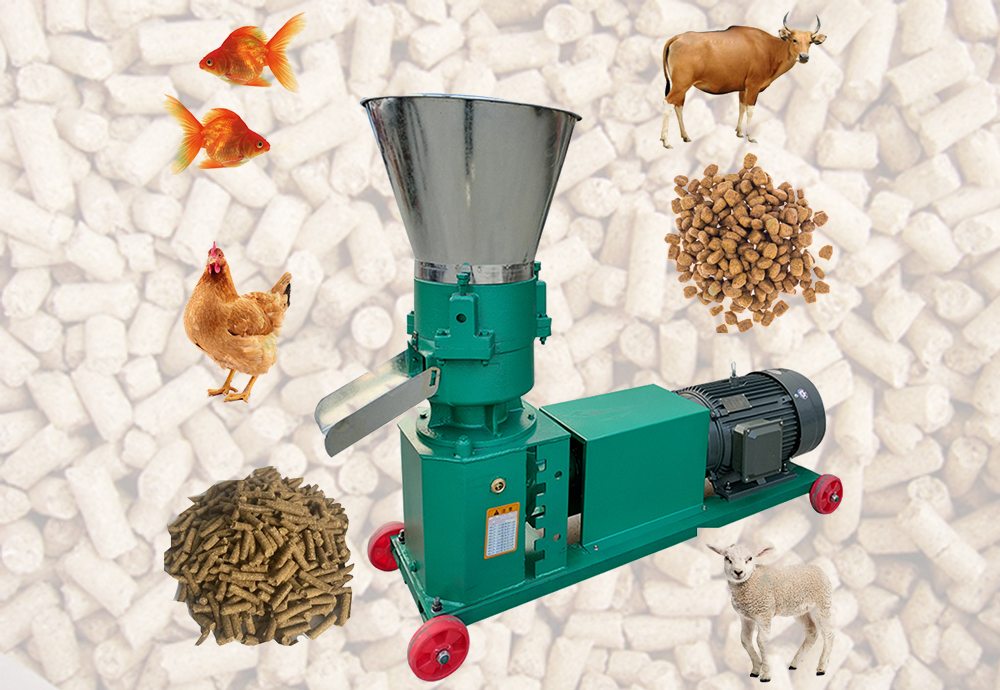
Animal feed pellet mill knowledge