

Advantages and Selection Guide for Animal Feed Pellet Mills
2025-12-08
I. Advantages and Functions
1. Improved Feed Utilization: The pelleting process gelatinizes starch, improving digestibility and absorption; it also prevents animals from being picky eaters, reducing waste by approximately 8-12%.
2. Facilitates Storage and Transportation: High pellet density, with a volume reduction of about 1/3 compared to powdered feed, provides good moisture resistance, is less prone to mold, and facilitates long-term storage and long-distance transportation.
3. Improved Palatability: The high temperatures during processing produce aromas that stimulate animal appetite.
4. Sterilization and Disinfection: High temperatures effectively kill some parasite eggs and harmful bacteria in the raw materials, reducing the risk of disease in animals.
5. Facilitates Feeding Management: The good flowability of pellets facilitates use with automated feeding systems.
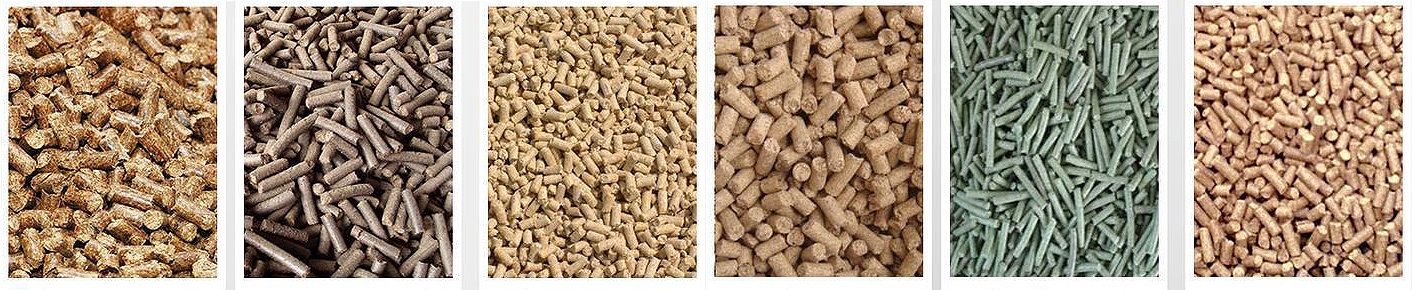
6. Resource Utilization: It can convert waste resources such as crop straw, sawdust, and fruit pomace into high-quality feed or fuel pellets, turning waste into treasure.
II. Applicable Animals and Raw Materials
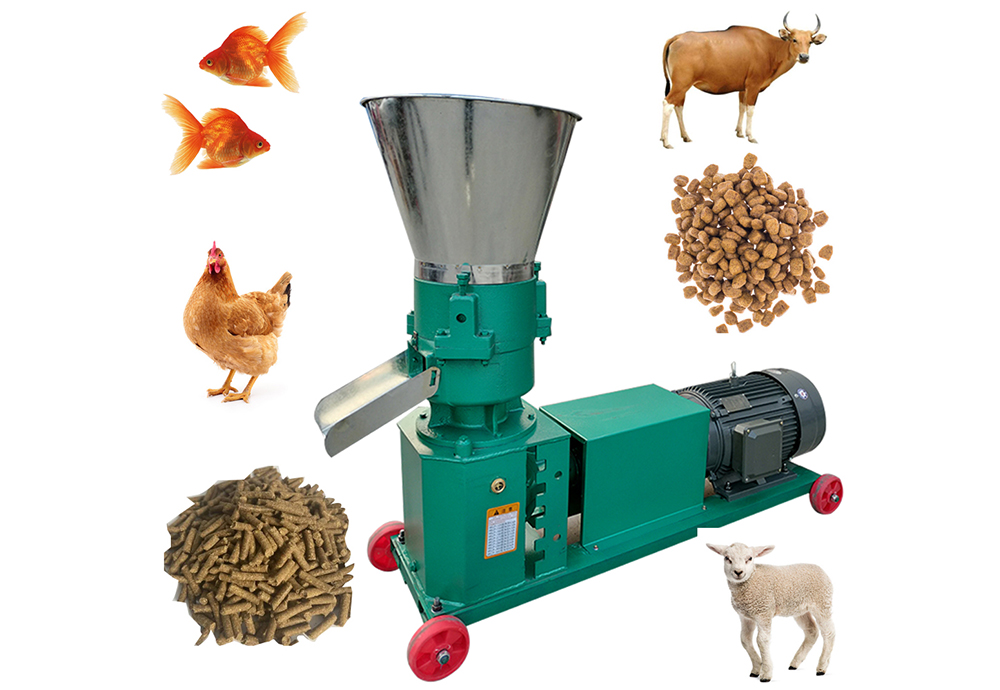
· Poultry: Chicken, duck, and goose feed, commonly using small aperture (Φ2.5-4mm). • Livestock: Pig, cattle, and sheep feed, commonly using medium aperture (Φ4-8mm).
• Aquaculture: Fish and shrimp feed (requiring high stability in water, special formulas and post-fermentation processes), commonly using small aperture.
• Specialty Aquaculture: Rabbit, pigeon, ostrich, and pet (cat/dog) feed, etc.
• Main Raw Materials: Energy feed (corn, wheat, etc.), protein feed (soybean meal, rapeseed meal, etc.), roughage (alfalfa meal, straw meal), mineral and vitamin premixes, etc.
III. Key Purchasing Points
1. Production Capacity Requirements: Determine hourly output based on the scale of aquaculture (e.g., 100kg/h, 500kg/h, 1t/h and above).
2. Power and Output: Power is positively correlated with output. Small household machines are approximately 3-7.5kW, medium-sized machines 15-55kW, and large machines 90kW and above.
3. Mold Material and Aperture: Core vulnerable parts. The ring die/flat die should be made of high-quality alloy steel, carburized, and wear-resistant. The aperture should be selected based on the animals being fed.
4. Brand and Quality: Choose reputable manufacturers and pay attention to the machining precision and durability of key components such as the main shaft and gearbox.
5. Supporting Equipment: A complete pellet feed production line should include: crusher → batching mixer → pellet mill → cooler → vibrating screen → packaging machine. Overall compatibility must be considered.
IV. Usage and Maintenance Precautions
1. Raw Material Pretreatment: Moisture content should be controlled at approximately 12-18%. Too dry, and the pellets will not easily form; too wet, and they will be loose. The particle size should generally be such that all particles pass through a 1.5mm sieve.
2. Break-in and Start-up: New machines or newly replaced dies require break-in with a mixture of grease and feed. When starting, feed a small amount of feed first, and increase the load only after the machine is running smoothly.
3. Regular Lubrication and Cleaning: Strictly follow the instruction manual to add lubricating oil to bearings and other parts. After each shift, clean the machine's interior of any residual material to prevent mold and blockage. 4. Die Maintenance: When the machine is to be shut down for an extended period, fill the die holes with an oily material to prevent rust. Severely worn dies should be replaced promptly to ensure output and pellet quality.
5. Safe Operation: Never touch the pressure rollers and die plate area with your hands or other tools while the machine is running. Electrical components should be protected against moisture.
V. Common Questions (FAQ)
• Q: Pellet surface is not smooth and is brittle?
• A: Raw material moisture content is too high or too low; die compression ratio is unsuitable or worn; cutter position is improper.
• Q: Output suddenly drops?
• A: Die holes are clogged; poor raw material flowability leads to uneven feeding; pressure roller wear or gap adjustment is needed.
• Q: Machine noise and vibration are excessive?
• A: Main shaft bearing is damaged; fasteners are loose; there are hard foreign objects in the material.
• Q: Is homemade pellet feed nutritionally balanced?
• A: Yes, but it must be based on a scientific feed formula, and the raw materials must be finely ground and evenly mixed.
In summary, animal feed pellet mills are one of the key pieces of equipment in modern animal husbandry and the feed industry. They transform powdered feed into high-value-added pellets, significantly improving feeding efficiency and economic returns. When purchasing and using these mills, users should closely consider their actual needs and focus on the core quality and proper maintenance of the machine to maximize its effectiveness. For small-scale users, starting with a flat die pellet mill is an economical choice; for large-scale production, a ring die pellet mill offers reliable and efficient performance.
1. Improved Feed Utilization: The pelleting process gelatinizes starch, improving digestibility and absorption; it also prevents animals from being picky eaters, reducing waste by approximately 8-12%.
2. Facilitates Storage and Transportation: High pellet density, with a volume reduction of about 1/3 compared to powdered feed, provides good moisture resistance, is less prone to mold, and facilitates long-term storage and long-distance transportation.
3. Improved Palatability: The high temperatures during processing produce aromas that stimulate animal appetite.
4. Sterilization and Disinfection: High temperatures effectively kill some parasite eggs and harmful bacteria in the raw materials, reducing the risk of disease in animals.
5. Facilitates Feeding Management: The good flowability of pellets facilitates use with automated feeding systems.
6. Resource Utilization: It can convert waste resources such as crop straw, sawdust, and fruit pomace into high-quality feed or fuel pellets, turning waste into treasure.
II. Applicable Animals and Raw Materials
· Poultry: Chicken, duck, and goose feed, commonly using small aperture (Φ2.5-4mm). • Livestock: Pig, cattle, and sheep feed, commonly using medium aperture (Φ4-8mm).
• Aquaculture: Fish and shrimp feed (requiring high stability in water, special formulas and post-fermentation processes), commonly using small aperture.
• Specialty Aquaculture: Rabbit, pigeon, ostrich, and pet (cat/dog) feed, etc.
• Main Raw Materials: Energy feed (corn, wheat, etc.), protein feed (soybean meal, rapeseed meal, etc.), roughage (alfalfa meal, straw meal), mineral and vitamin premixes, etc.
III. Key Purchasing Points
1. Production Capacity Requirements: Determine hourly output based on the scale of aquaculture (e.g., 100kg/h, 500kg/h, 1t/h and above).
2. Power and Output: Power is positively correlated with output. Small household machines are approximately 3-7.5kW, medium-sized machines 15-55kW, and large machines 90kW and above.
3. Mold Material and Aperture: Core vulnerable parts. The ring die/flat die should be made of high-quality alloy steel, carburized, and wear-resistant. The aperture should be selected based on the animals being fed.
4. Brand and Quality: Choose reputable manufacturers and pay attention to the machining precision and durability of key components such as the main shaft and gearbox.
5. Supporting Equipment: A complete pellet feed production line should include: crusher → batching mixer → pellet mill → cooler → vibrating screen → packaging machine. Overall compatibility must be considered.
IV. Usage and Maintenance Precautions
1. Raw Material Pretreatment: Moisture content should be controlled at approximately 12-18%. Too dry, and the pellets will not easily form; too wet, and they will be loose. The particle size should generally be such that all particles pass through a 1.5mm sieve.
2. Break-in and Start-up: New machines or newly replaced dies require break-in with a mixture of grease and feed. When starting, feed a small amount of feed first, and increase the load only after the machine is running smoothly.
3. Regular Lubrication and Cleaning: Strictly follow the instruction manual to add lubricating oil to bearings and other parts. After each shift, clean the machine's interior of any residual material to prevent mold and blockage. 4. Die Maintenance: When the machine is to be shut down for an extended period, fill the die holes with an oily material to prevent rust. Severely worn dies should be replaced promptly to ensure output and pellet quality.
5. Safe Operation: Never touch the pressure rollers and die plate area with your hands or other tools while the machine is running. Electrical components should be protected against moisture.
V. Common Questions (FAQ)
• Q: Pellet surface is not smooth and is brittle?
• A: Raw material moisture content is too high or too low; die compression ratio is unsuitable or worn; cutter position is improper.
• Q: Output suddenly drops?
• A: Die holes are clogged; poor raw material flowability leads to uneven feeding; pressure roller wear or gap adjustment is needed.
• Q: Machine noise and vibration are excessive?
• A: Main shaft bearing is damaged; fasteners are loose; there are hard foreign objects in the material.
• Q: Is homemade pellet feed nutritionally balanced?
• A: Yes, but it must be based on a scientific feed formula, and the raw materials must be finely ground and evenly mixed.
In summary, animal feed pellet mills are one of the key pieces of equipment in modern animal husbandry and the feed industry. They transform powdered feed into high-value-added pellets, significantly improving feeding efficiency and economic returns. When purchasing and using these mills, users should closely consider their actual needs and focus on the core quality and proper maintenance of the machine to maximize its effectiveness. For small-scale users, starting with a flat die pellet mill is an economical choice; for large-scale production, a ring die pellet mill offers reliable and efficient performance.
Animal feed pellet mill knowledge
Related Article
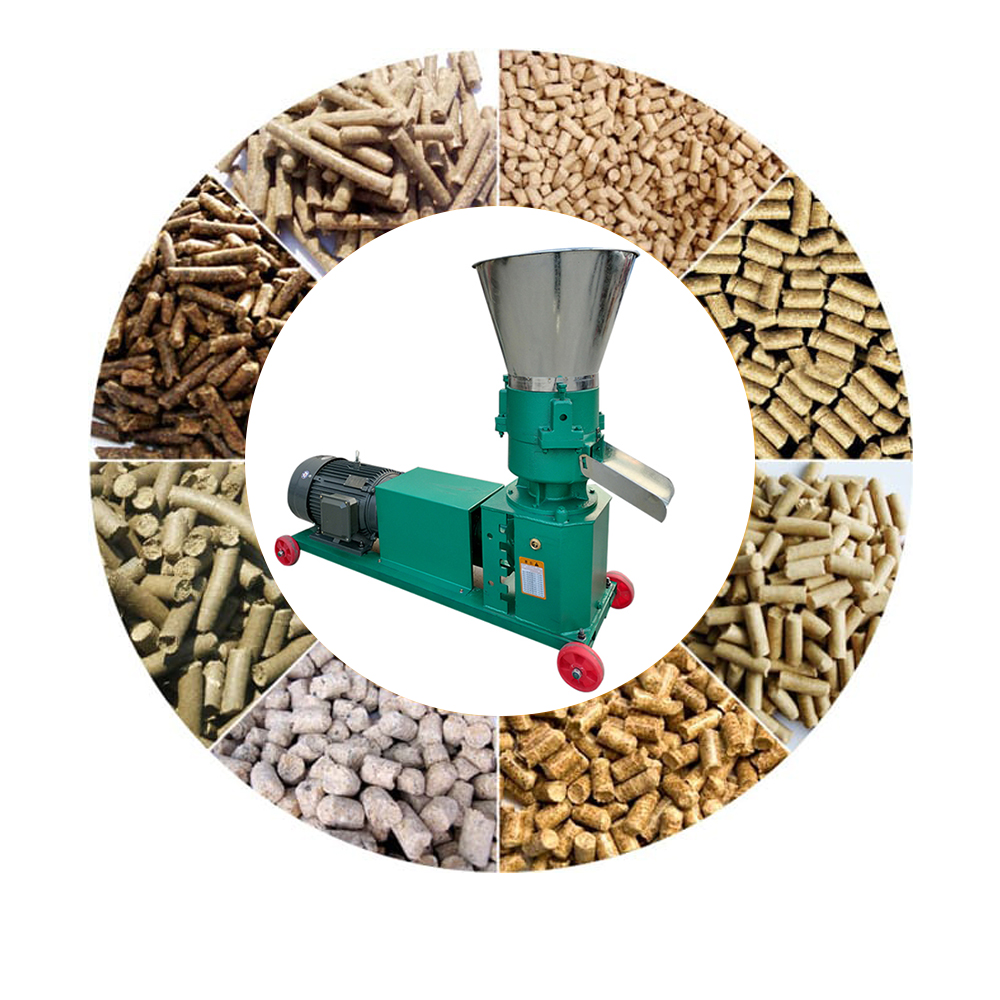
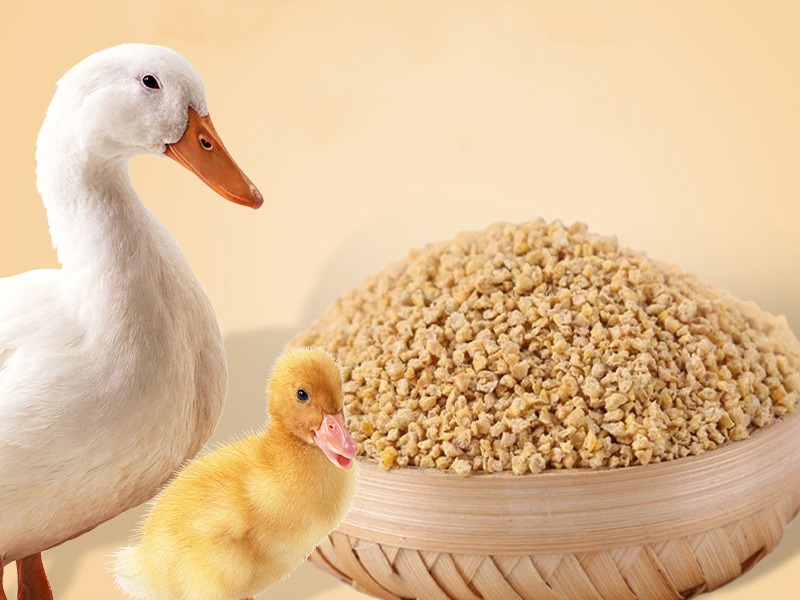
Chicken and duck feed is an essential part of poultry farming, and the nutritional requirements, egg-laying and fertility processes of these two foods are also different. Therefore, chicken and duck feed often have their own special formulas to meet the nutritional needs of different types of chickens and ducks.
The difference between chicken feed and duck feed